Each year thousands of children – 6,000 children in the UK alone – are born with SWAN, or Syndromes Without a Name. SWANs are genetic conditions that are so rare, early diagnosis is unlikely. The uncertainty of not having a diagnosis is difficult for both medical and psychosocial reasons, and often families wading through their diagnostic odyssey feel anxiety, isolation, and despair. Our mission is to provide the tools to empower parents, caregivers, and individuals in the course of their own diagnostic odyssey. Here are a list of resources from a range of organizations that are helpful in navigating your own diagnostic odyssey.
A great video from the NIH’s that helps answer common questions about wading through your diagnostic odyssey. There are other great guides on their website on a variety of topics, from finding a disease specialist to financial aid.
This UK based organization – with sister organizations across the globe – provides excellent resources and supportive information on a range of must-know areas, from basic genetics and genetic testing, to an information packet for teachers and schools.
Download Rare Genomics Institute’s free e-book Diagnosing Rare Diseases. It is a comprehensive resource that serves as a primer on genomics and sequencing, genetic disorders, and even crowdfunding for covering the cost of sequencing.
This three-part webinar provides perspectives from advocates, genetic counselors, and medical experts to help families understand how genetic testing can help diagnosis.
One of the sites of the Undiagnosed Diseases Network, their website has the most comprehensive and easy to navigate list of resources for the undiagnosed.
Clearly lays out important steps in your diagnostic odyssey, such as preparing for appointments, importance of accessible medical records, and a doctor’s appointment checklist.
A patient registry administered by the National Organization for Rare Disorders (NORD) that collects standardized information for individuals without a diagnosis.
An NIH funded research study spanning twelve sites across the US that brings together clinical and research experts to help solve the most challenging medical mysteries.
NIH’s guide to understanding reliable resources and information – even has some scientific literacy sites that offers guidance for evaluating health information and materials.
Your diagnostic odyssey is just the beginning. Here are additional resources that serve as an introduction to the diverse needs of our rare disease community after diagnosis.
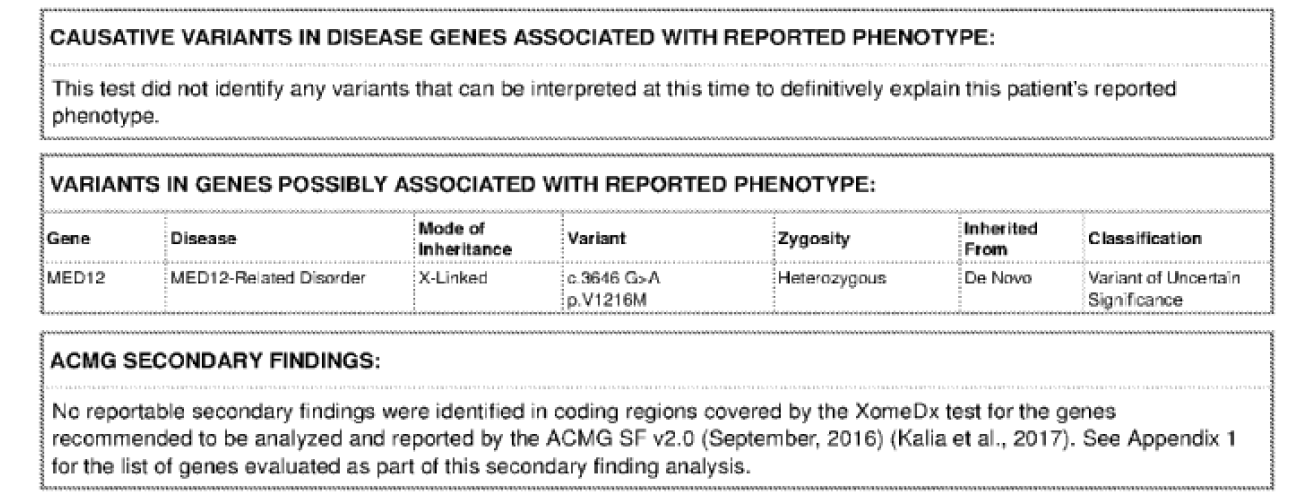
Have you or your child had whole exome or genome sequencing? Did it find a VUS:
variant of uncertain significance? Sometimes the VUS is benign and sometimes it's the
cause of your medical concerns. Often times there just aren't enough cases or
information to allow clinicians or geneticists to make a definitive diagnosis.
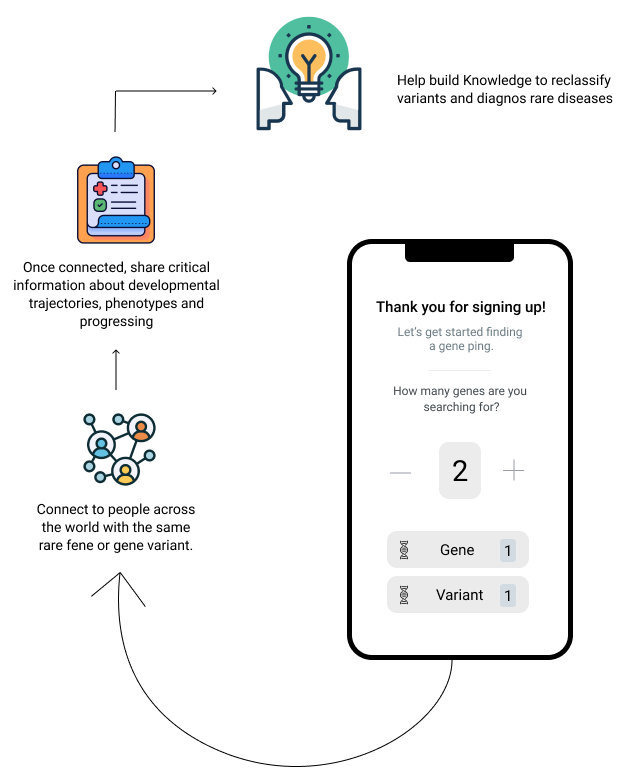
We've created an app to help you connect to other families like yours. Families with the same gene or gene variant finding who are looking for answers. All you need to do is sign up with an email, provide the gene name from your test results, and the gene variant if possible, and away you go. If there's a match, the app will ping you. Then you exchange contact info you feel comfortable sharing and connect with your match independently - off app - to protect your confidentiality and privacy.
The app is not just for those still waiting for a diagnosis. If you have been diagnosed with a rare single gene disorder, we are hoping to build a big enough user base to allow for meaningful connections of all kinds. And interested in sharing your data with the academic and research community? Or would like to be involved with future research opportunities? in so that you can participate. It's your data. You decide.
ImportantFind the gene and Variant on your test result